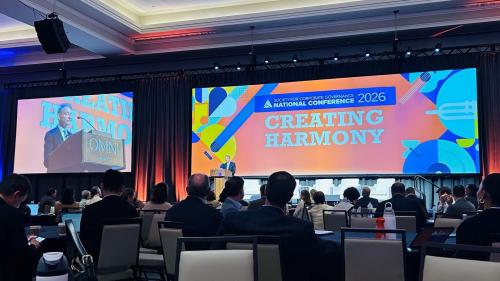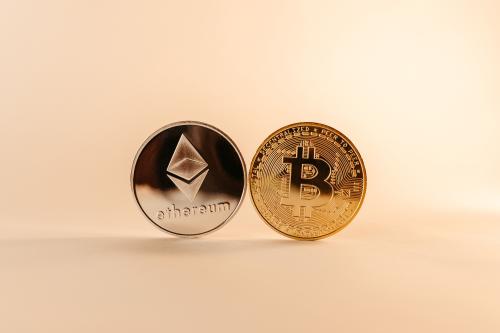
Last week, during a Governance Intelligence Business Briefing titled Tokenized securities 101: what every public company needs to know, held in partnership with Broadridge Financial Solutions, panelists agreed that publicly listed companies should begin preparing now for technology that will reshape the shareholder landscape.
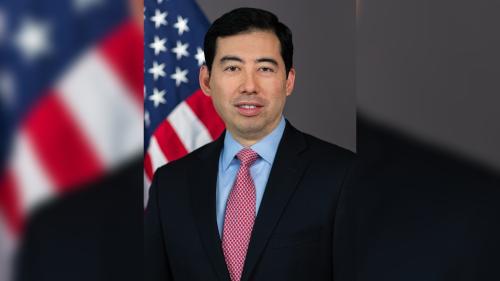
Speaking during the session, Zachary Fallon, partner at Latham & Watkins and global co-chair of the firm's digital assets and Web3 practice, and Rob Krugman, chief digital officer at Broadridge Financial Solutions, said tokenization is becoming a board-level issue, not just a technological one.
Both emphasized that tokenization does not create a new type of security. Instead, it changes how securities are represented, recorded and settled.
'From an economic reality standpoint, what's the difference between a tokenized security and a traditional security? Really, the answer is nothing,' Fallon said. 'A tokenized security already meets the federal law definition of a security. It's simply represented by a digital or crypto asset, with ownership recorded, in whole or in part, on a crypto network.'
He added that 'a stock is still a stock' regardless of whether it is represented by a paper certificate, a DTC account or a blockchain token. 'Where the differences emerge is at the record-keeping and settlement level.'
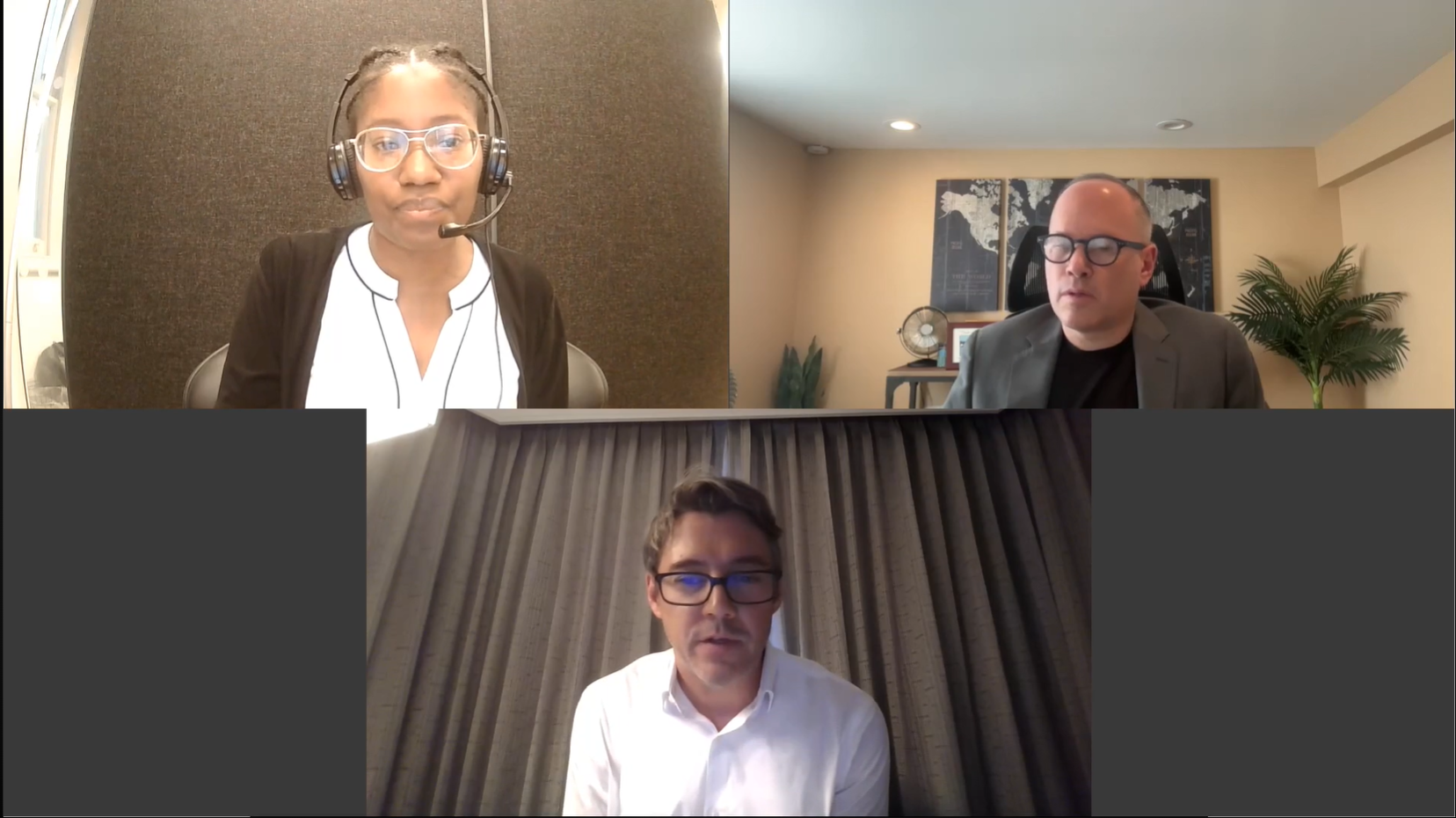
Bottom, Zachary Fallon, partner at Latham & Watkins
Why momentum is building
Although tokenization has existed for more than a decade, both panelists agreed regulation and market infrastructure have finally caught up.
Fallon noted that the first SEC registration statement for tokenized securities was filed in 2013 but failed to gain traction immediately because 'the market wasn't ready.' A more supportive regulatory environment and recent SEC actions have since accelerated interest, he added.
Krugman said tokenized equities have become one of the earliest areas of adoption despite expectations that public equity markets would be among the last to embrace the technology.
'Through tokenization we can democratize investing and make it easier for people around the world to participate,' he explained, pointing to proposals from Nasdaq and the New York Stock Exchange to establish digital asset infrastructure capable of supporting tokenized securities.
'Those tokens would trade globally on a 24/7 basis,' he said. 'Today, perhaps 200 million to 250 million people worldwide can buy or sell your stock. Tomorrow, if your shares trade as tokenized assets, perhaps four or five billion people could invest.'
Governance implications
While much of the discussion has centered on settlement efficiencies, the panel argued that the bigger implications lie in governance. Krugman expects traditional and tokenized securities to coexist for years, with native issuance giving companies greater control over how securities function.
'One of the most important features of native issuance is that issuers can define how their assets behave,' he said. Through smart contracts, companies can determine who may buy or sell a security, where it trades and which shareholder rights accompany ownership.
For boards considering tokenization, Fallon noted that the legal questions are often more important than the technological ones. 'The answer is generally no,' he said when asked whether companies would need to amend their corporate charters. Instead, he suggested that boards should ask: What exactly does the token represent?
‘Companies need to work through the applicable legal frameworks before issuing tokens,’ Fallon added, stressing that ‘a tokenized security is still a security' and remains subject to existing securities laws.
The biggest unresolved issue, however, is secondary trading. 'The real opportunity lies in allowing tokenized securities to participate in decentralized finance,' Fallon said. 'The SEC still needs to clarify how trading venues can interact with tokenized securities while complying with market structure rules.'
Rethinking shareholder engagement
The discussion also explored how tokenization could reshape shareholder engagement. 'Will investors be able to participate in proxy voting? Will they receive disclosures? Corporate actions? Other shareholder rights?' Krugman asked. 'That's where a great deal of work is taking place today.'
Fallon suggested tokenization could address longstanding proxy plumbing issues by giving companies greater visibility into ownership and reducing reconciliation challenges.
'The current DTCC system creates complexities around identifying shareholders and voting,' he said. 'Tokenization could eliminate many reconciliation issues because ownership records become more precise.'
Krugman added that smart contracts could eventually automate corporate actions such as dividend payments and stock splits while integrating with existing proxy voting systems.
Preparing for what's next
While widespread adoption will depend on continued regulatory clarity and investment in infrastructure, both panelists urged companies to start preparing now.
'I still think we're early enough that education should be the priority,' Krugman said, encouraging companies to engage with advisers, industry groups and transfer agents while assigning someone internally to monitor developments.
Neither Fallon nor Krugman viewed tokenization as a passing trend. 'I can tell you those conversations are happening right now,' Krugman said. 'Every major bank and broker-dealer has teams working on this, alongside the New York Stock Exchange, Nasdaq and the DTCC.'
'The next six to 12 months are going to be a very important period.'
To watch the full briefing ‘Tokenized securities 101: what every public company needs to know’ on demand, click here

Natalie Bannerman
Natalie is a former telecoms and infrastructure journalist, a role she held for nearly seven years. Before this, she worked in the B2C startup space, covering lifestyle, arts and culture reporting. As senior reporter for Governance Intelligence she...